
The recycling industry is growing rapidly as businesses and industries focus more on sustainability, waste management, and resource recovery. Choosing the right recycling machine is one of the most important decisions for any recycling business, manufacturing unit, or waste processing facility. The right equipment improves productivity, increases material recovery, reduces operational costs, and ensures long-term business growth.
However, with so many recycling machines available in the market, selecting the right system can be challenging. Different machines are designed for different materials, production capacities, and industrial applications. Understanding your operational requirements is essential before investing in recycling equipment.
The first step in choosing a recycling machine is identifying the type of waste material you want to process. Different recycling machines are designed for specific materials such as:
Plastic waste
Electronic waste (E-waste)
Metal scrap
Copper wires and cables
Batteries
Paper and cardboard
Rubber and tires
Industrial waste
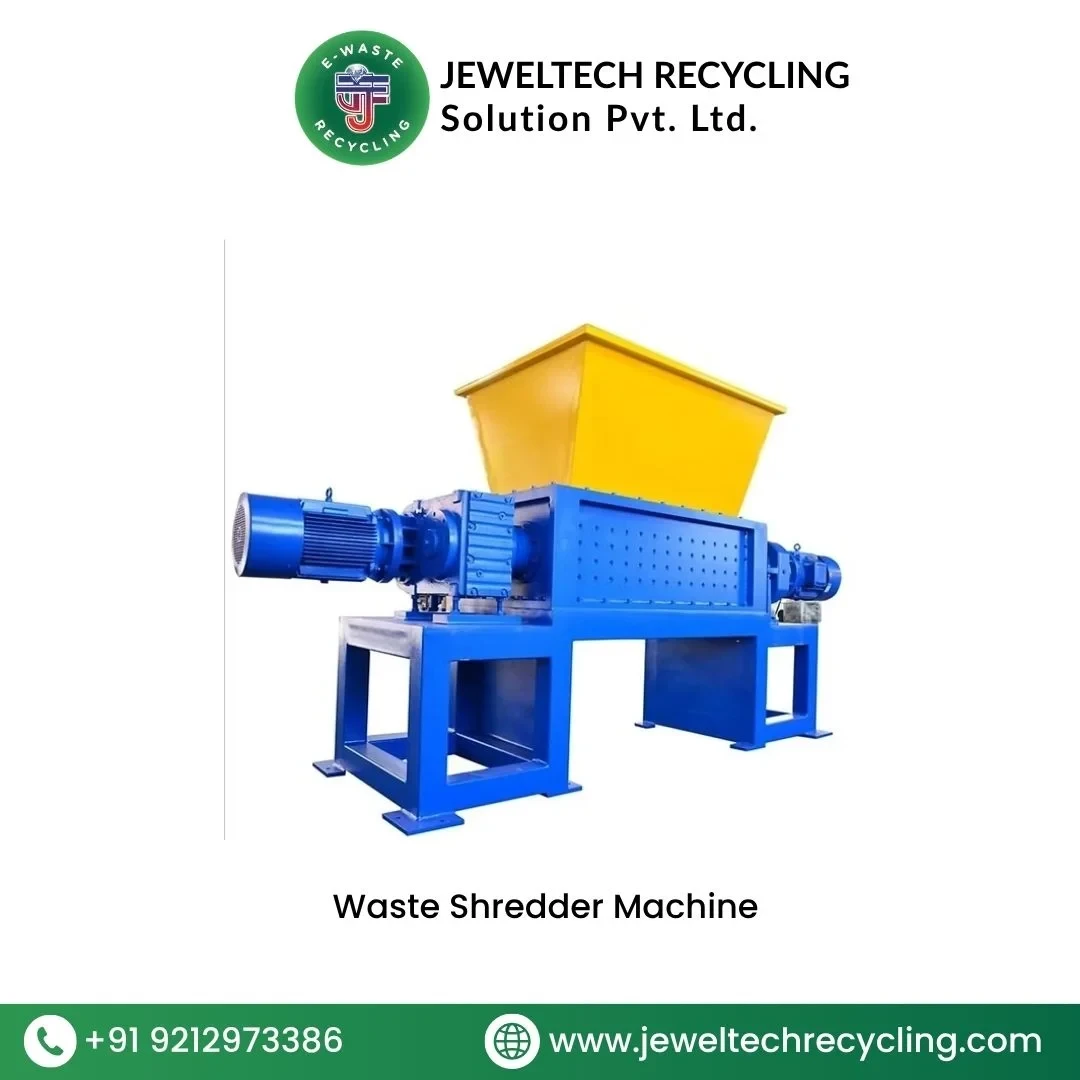
For example, an e-waste recycling machine is specifically designed for processing electronic components, while a plastic recycling machine focuses on shredding, washing, and pelletizing plastic materials.
Selecting a machine compatible with your material type ensures better processing efficiency and higher recovery rates.
Production capacity is one of the most critical factors when selecting a recycling machine. You should evaluate:
Daily waste generation
Processing volume per hour
Future business expansion
Available operating hours
Small-scale operations may require compact recycling machines, while large industrial plants need high-capacity automated systems.
Choosing a machine with insufficient capacity can reduce productivity, while oversized equipment may increase unnecessary operational costs.
Modern recycling plants increasingly rely on automation for higher efficiency and lower labor dependency. Automated recycling machines offer:
Smart sorting systems
Automatic feeding mechanisms
Real-time monitoring
PLC control systems
AI-based material separation
Touchscreen operation panels
Automation improves accuracy, productivity, and operational safety while reducing manual handling.
The main purpose of a recycling machine is to recover valuable materials effectively. High-quality recycling systems should include advanced separation technologies such as:
Magnetic separation
Eddy current separation
Air classification systems
Gravity separation
Optical sorting systems
Efficient material separation improves recovery rates and increases profitability by extracting reusable metals and components more accurately.
Energy consumption directly affects operational costs. Modern recycling machines are designed with energy-efficient technologies that reduce electricity usage while maintaining high productivity.
Before purchasing equipment, check:
Power consumption
Motor efficiency
Energy-saving features
Operating costs
Energy-efficient machines help reduce long-term operational expenses and support environmentally friendly industrial practices.
Industrial recycling machines operate under heavy workloads and harsh conditions. Choosing durable equipment made from high-quality materials is essential for long-term reliability.
Key factors to evaluate include:
Heavy-duty construction
Wear-resistant components
Strong shredding blades
Corrosion-resistant structure
Industrial-grade motors and bearings
Durable machines require less maintenance and provide longer operational life.
Safety is extremely important in recycling operations. Industrial recycling equipment should include advanced safety systems such as:
Emergency stop buttons
Overload protection
Dust collection systems
Noise reduction systems
Fire prevention mechanisms
Safety guards and sensors
Safe machines reduce workplace accidents and improve operational reliability.
Easy maintenance is essential for minimizing downtime and improving productivity. Before selecting a recycling machine, consider:
Availability of spare parts
Ease of cleaning and servicing
Maintenance schedules
Technical support availability
Machines with simple maintenance systems help reduce repair costs and improve operational continuity.
Recycling machines vary greatly in size and plant configuration. Before purchasing equipment, evaluate:
Available installation space
Factory layout
Material flow process
Ventilation requirements
Power supply availability
Compact and properly designed recycling systems improve workflow efficiency and optimize plant operations.
Choosing equipment from a reliable manufacturer is extremely important. A trusted recycling machine manufacturer typically provides:
High-quality machinery
Technical support
Installation assistance
Operator training
Warranty services
Spare parts availability
Always research the manufacturer’s industry experience, customer reviews, and project history before making a decision.
Your business requirements may grow over time. Investing in scalable recycling equipment allows future upgrades and production expansion without replacing the entire system.
Modular recycling systems provide flexibility for:
Increasing production capacity
Adding automation
Upgrading separation technologies
Expanding material processing capabilities
Every recycling business has different operational needs. Customized recycling plants can be designed based on:
Material type
Production volume
Automation level
Budget
Space availability
Customized solutions improve efficiency and provide better return on investment for industrial recycling operations.
Choosing the right recycling machine is a critical investment for any recycling business or industrial operation. Factors such as material type, production capacity, automation, safety, durability, energy efficiency, and maintenance requirements should be carefully evaluated before making a purchase.
Modern recycling machines not only improve waste management but also help industries recover valuable resources, reduce environmental impact, and increase profitability. Investing in high-quality and efficient recycling equipment ensures long-term operational success and supports sustainable industrial growth.

In today’s digital world, electronic devices have become an essential part of da...
Read More
The rapid growth of technology has transformed industries and daily life, but it...
Read More
Industrial machines are the backbone of manufacturing, recycling, construction,...
Read More
The recycling industry has become one of the most important sectors for sustaina...
Read More
Recycling has become an essential part of modern industrial operations. As indus...
Read More
A PCB precious‑metal recovery plant is a facility that processes printed circuit...
Read More
If you’re investing in an E waste recycling machine or planning a full E waste r...
Read MoreCopyright© 2026 Jeweltech Recycling Solutions Pvt. Ltd., All Rights Reserved.